We casted off from Nuku-Hiva and sat course on Amanu ca 550 Nm away. We had light wind, so the trip took 5 days. One must time the entrance at the cut into the atoll quite carefully as current in and out of the atoll could be very strong, and when strong current it could be very large braking standing waves that one should avoid. One is supposed to enter with counter current and leave with the current with you.
There are several sources for the tide, and they often show different time so easy to get confused. This time we used a web-based tool called Guestimator, we arrived when it was supposed to be slack water, but when looking from distance it looked as very large and braking standing waves at the cut. No way I’m going to pass that cut now I said to the crew, fortunately when getting close it was only breakers close to land and the shallow part, when looking straight into the cut the water looked quiet OK. When we entered we had 4-5 kn against us but it went rather smooth, we had now help by our forward seeing echosounder.
At Amanu there are not many boulders to keep watch for, and on google maps they are relatively easy to see and by that easy to avoid. We had downloaded google maps for OpenCPN and satellite view is also available on Navionics charts on our Android tablet, so as long as you have the sun high on the sky and not Infront of you the boulders are relatively easy to see
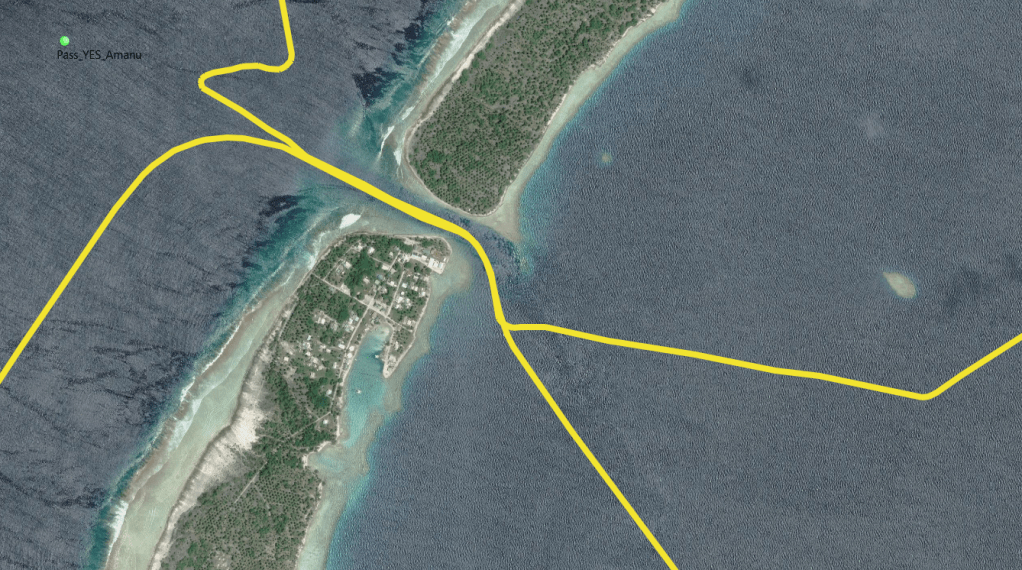
The Amanu cut
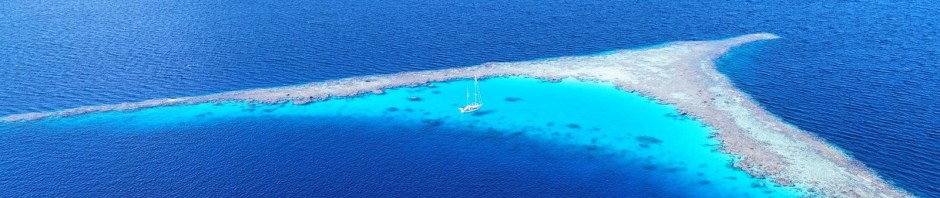
We arrived at our anchorage, it was a very spectacular anchorage at a reef in the middle of the Atoll.
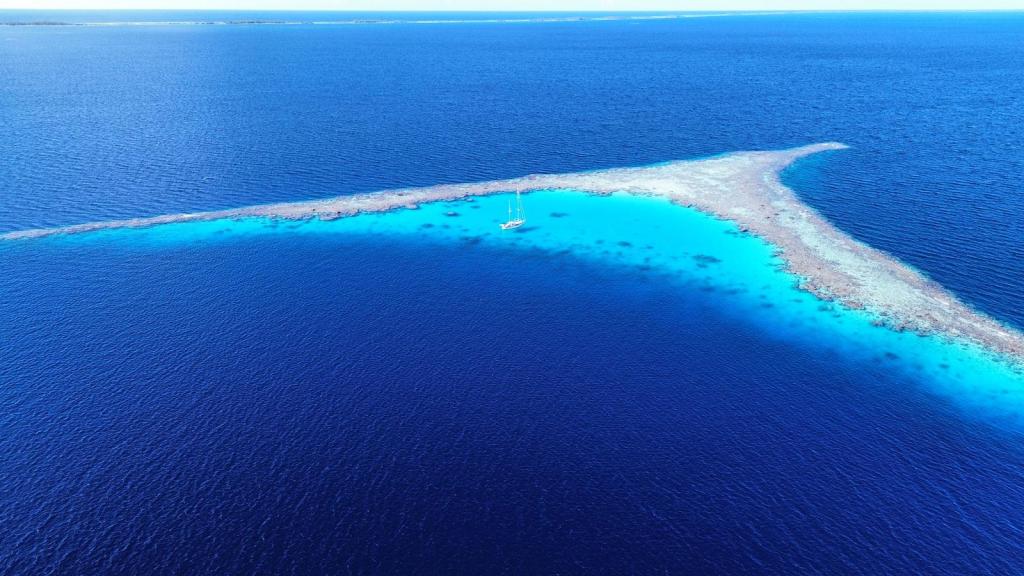
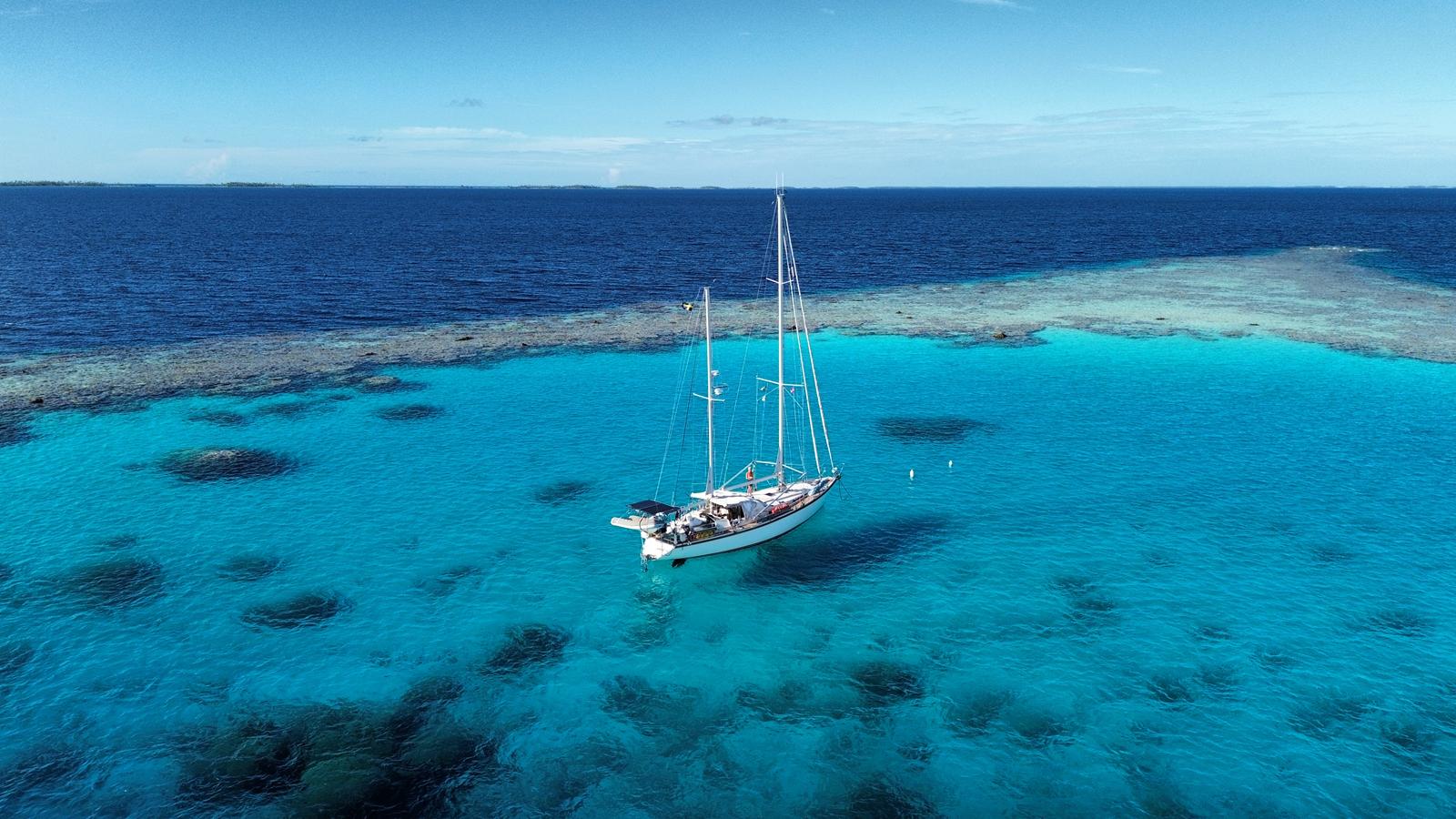
This anchorage is called the “belly button” Not so many boulders on the anchorage but one have to float the chain by attaching fenders or whatever floats one choose to use on the chain, first float at ca 1,5 times the depth and then a floa for every multiple of depth. We have a rather heavy chain so large floats are essential else the chain can snag a boulder making very difficult to retrieve the anchor and one also risk to damage the corals,

On the picture above one see two of three floats that we used.
Of course during the night, the wind shifted 180 degrees, and we came close to a shallow boulder just astern of Kerpa, the anchor held well, but the night rest was disturbed as I went up a few times to see that we kept the distance to the boulders. Next day we wanted to move to a safer anchorage but before that we had some nice snorkelling and to my delight a saw a manta swimming passed me at just a few meters distance, rely great moment, of course I had not my camera with me so could not document the occasion.
We moved south and anchored at was called southeast anchorage, much more boulders as seen in the picture
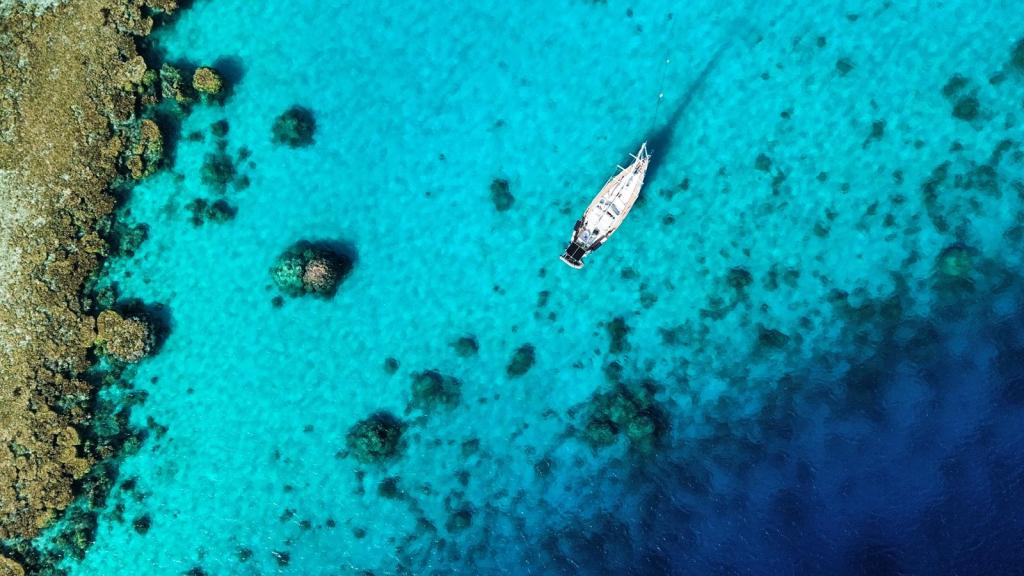
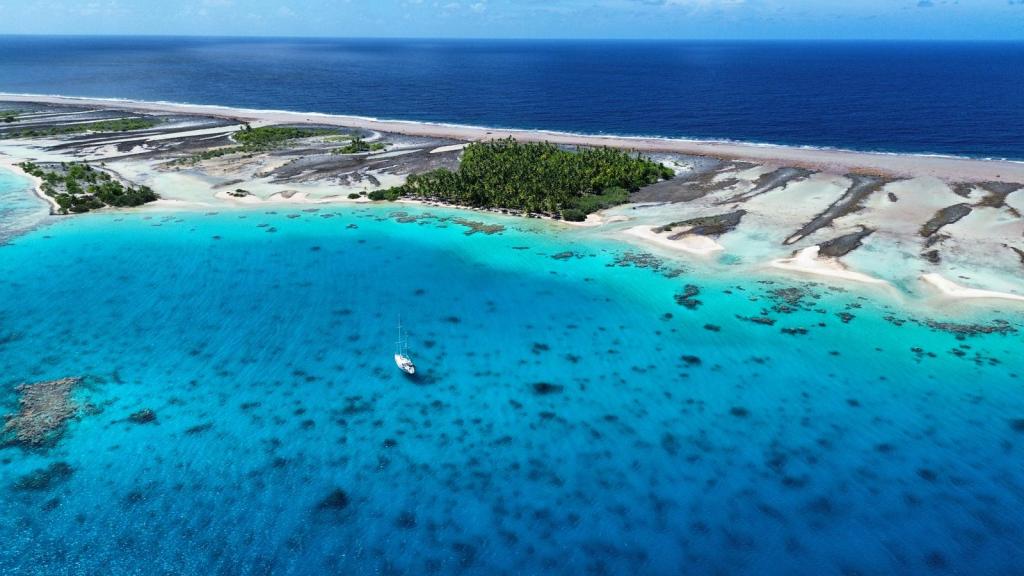
The atolls are rather large so if you get the wind from the wrong direction, you can get large swell even inside the atoll.
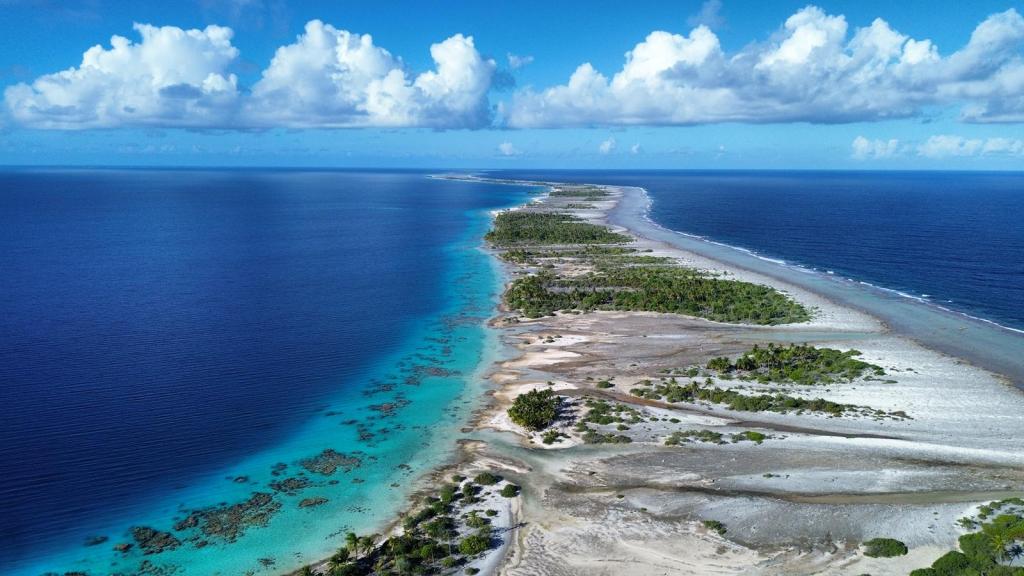
Amanu above looking north, below looking south
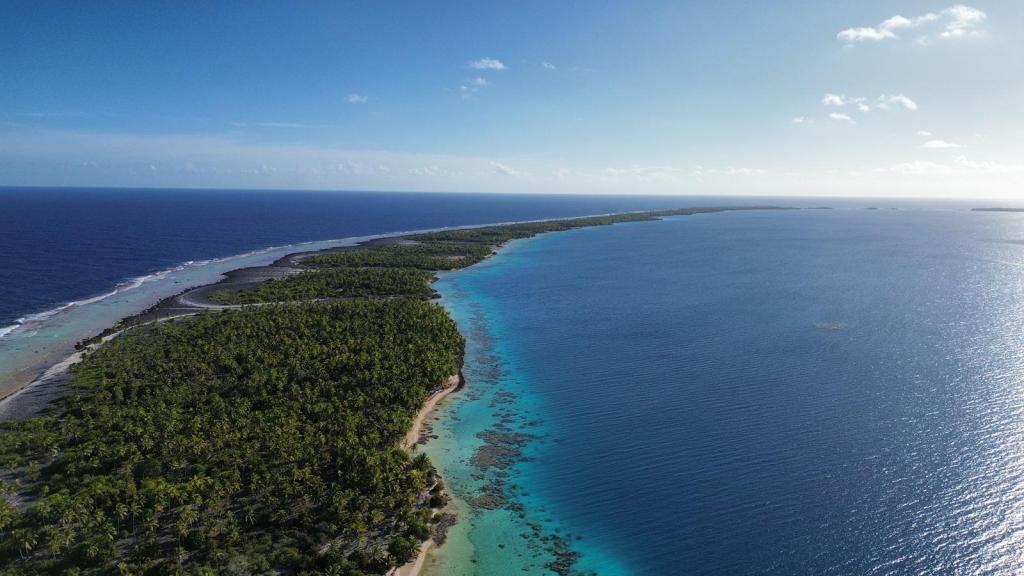
Amanu is ca 17 Nm long and 5 Nm wide.
Of course we were snorkeling
Also saw a turtle
These atolls are really like paradise
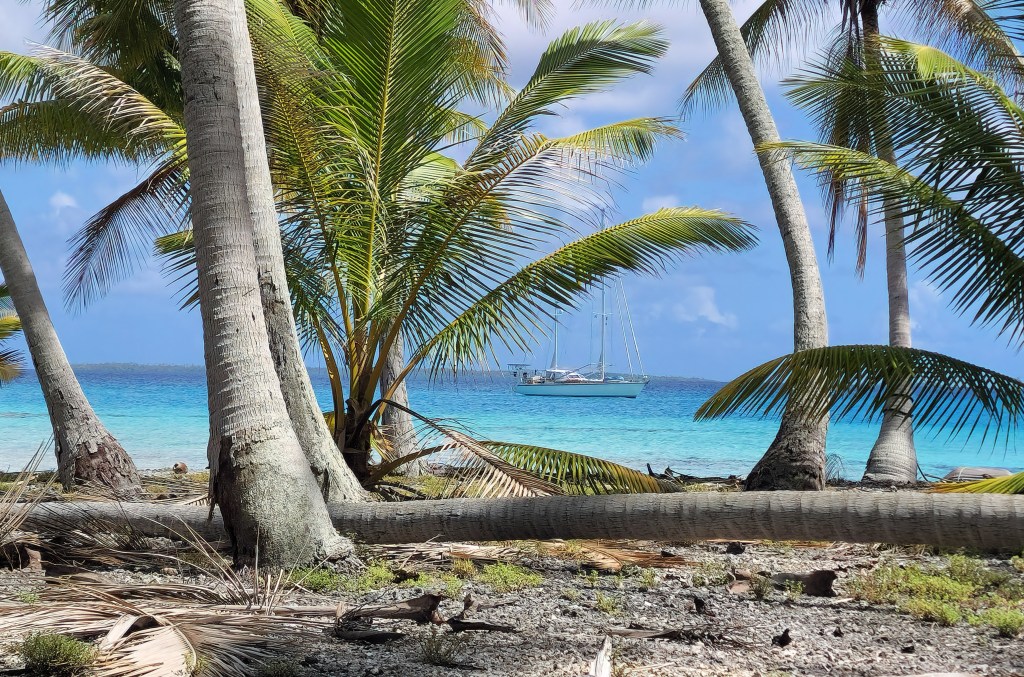
Hao
Our crew Anna-Lena had a ticket home from the nearby atoll Hao about 15 Nm away. Hao cut is claimed to be difficult, but the entering was very easy, but the exit became a bit more adventures, but more about that later.
We anchored at the main village Otepa, and this time we were not alone at the anchorage it was one more boat there.
Otepa is a small but very friendly village, almost all we meet youg as well as old greated us when we walked around the village. We found two small stores and could buy some bread and eggs, eggs are not easy to come by. Anna-Lena who should fly home a few days later needed a ride, there are no taxis on the island, we asked a local policeman how to get to the airport, he then called one of his friends who later drove Anna-Lena to the airport. Guess what, when she arrived at the airport the flight was cancelled that day, but fortunately it was a flight next day and she could still catch her flight from Papeete back to Stockholm.
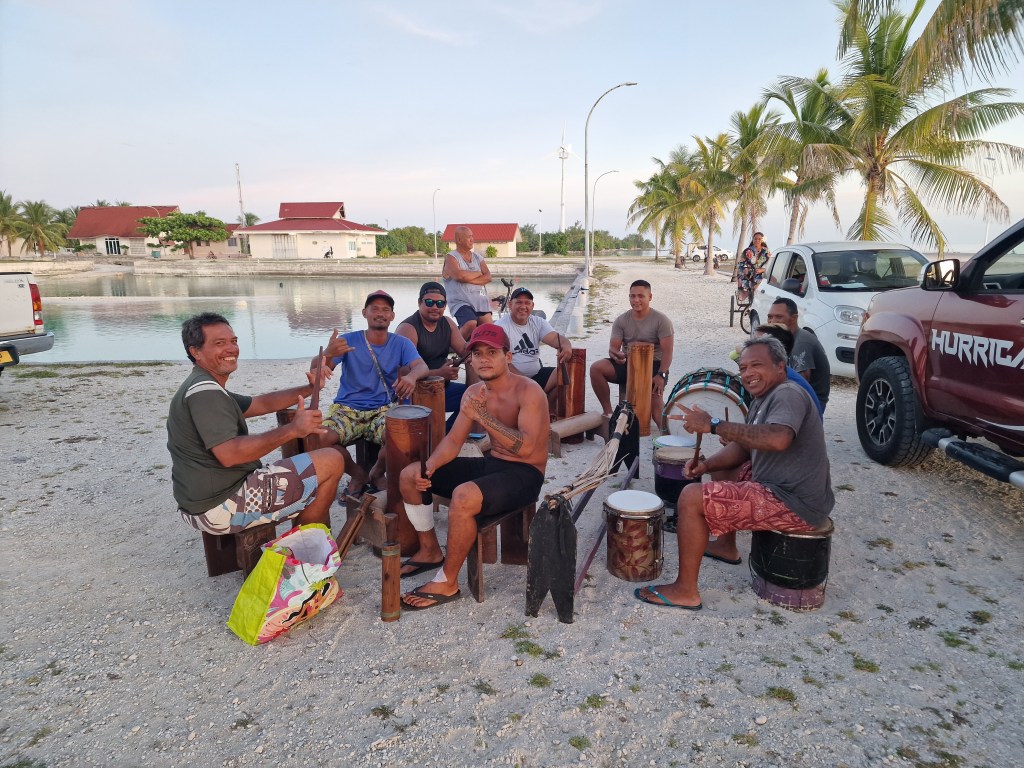
Some locals gathered together and played local music. On ther clip below you can hear them playing.
It is always something to fix, one morning our diesel generator did not start it was totally dead. Fortunately, it was an easy fix, it was the emergency kill switch that was broken
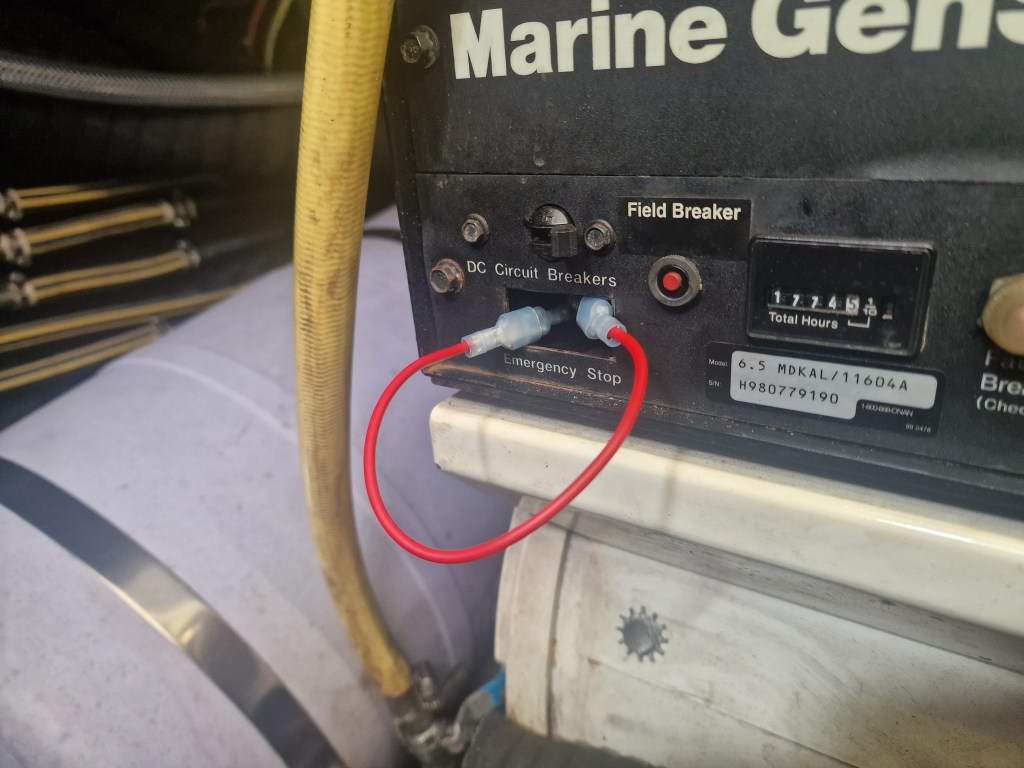
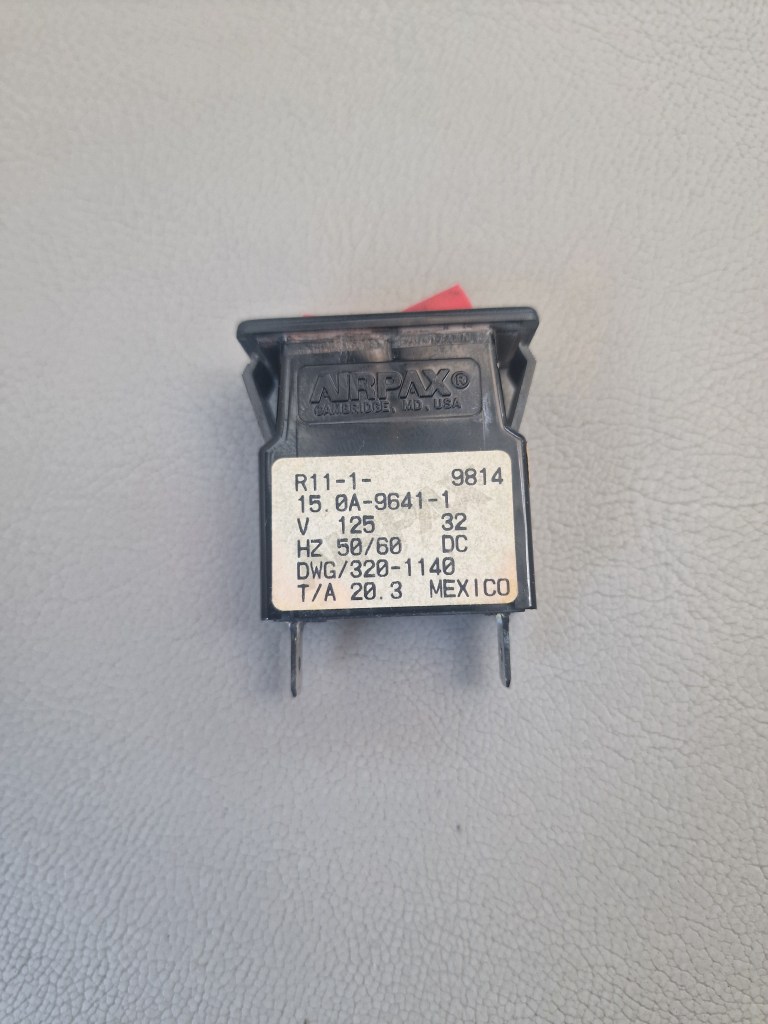
Just a cable between the two studs and we was on again.
We do carry a lot of solar panels 1160 watt, but as we do all our cocking on an induction hob and have two fridges and two freezers, we consume rather much electricity. Cloudy sky and rain is not uncommon in the tropics, so we now and then must use our diesel generator.

Cloudy sky rather common
After Anna-Lena left we moved to another anchorage Orare, there one found something called kawau, it is a reef protruding straight from the shore and out, it gives good protection from the waves when wind blowing along the atoll.
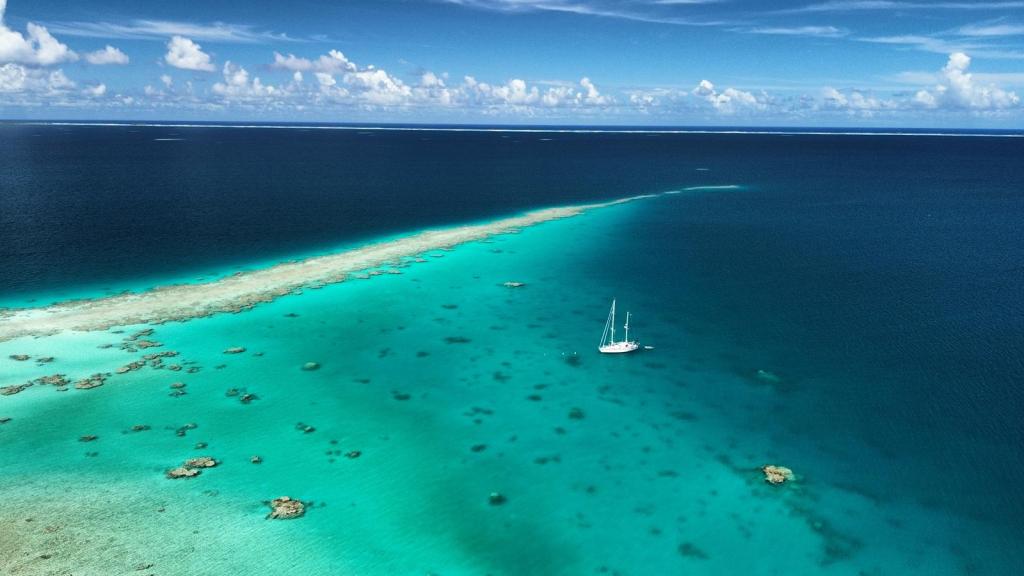
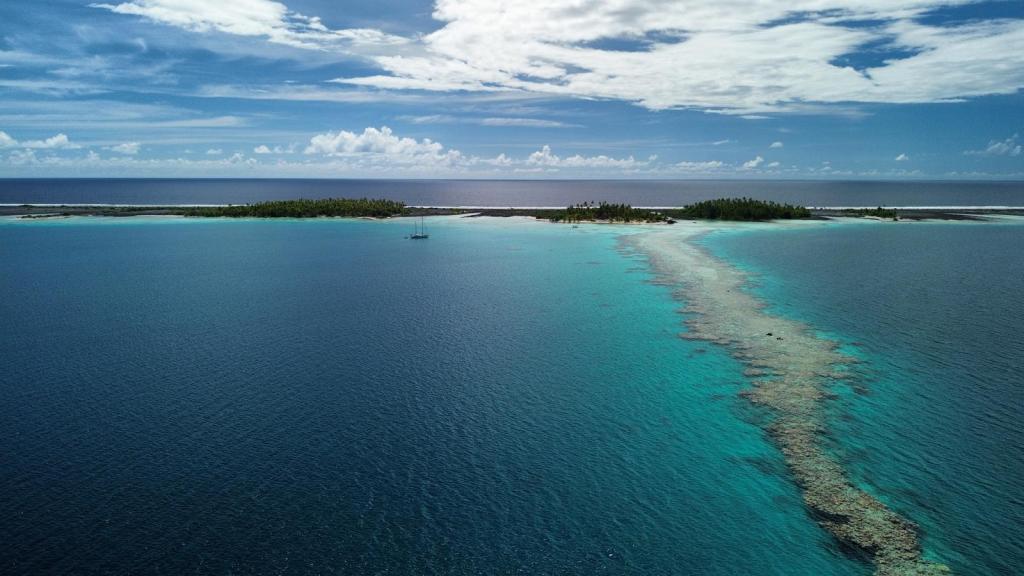
This kawau extend ca 1 Nm right out and gave us good shelter, and we were the only boat there.
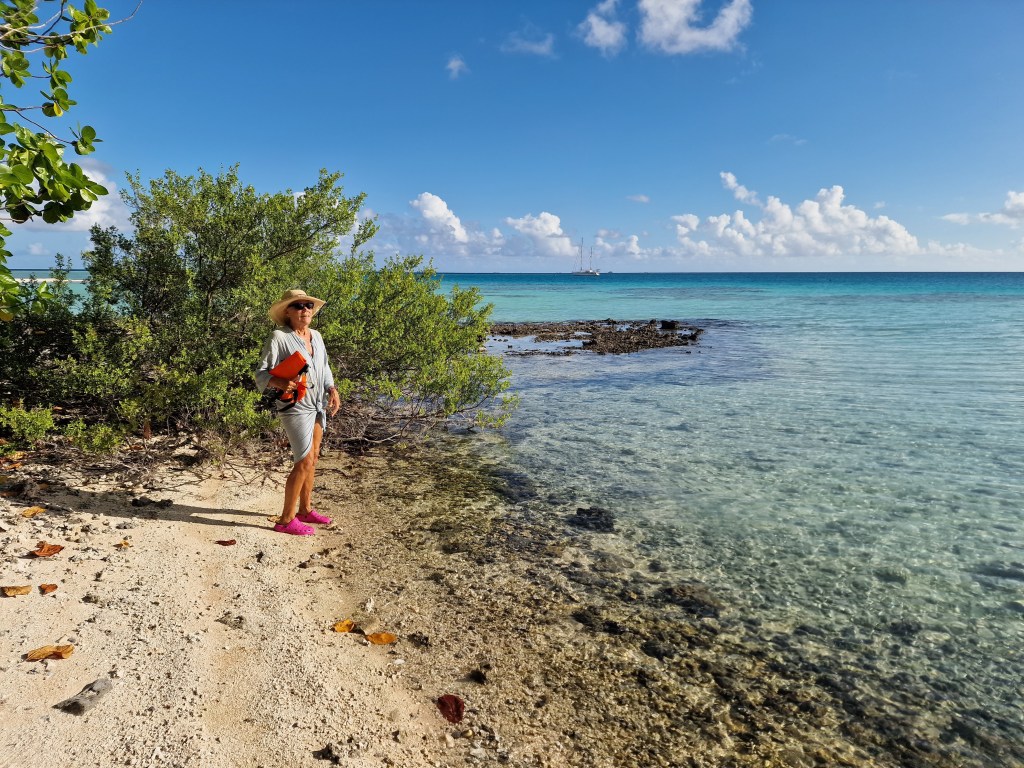

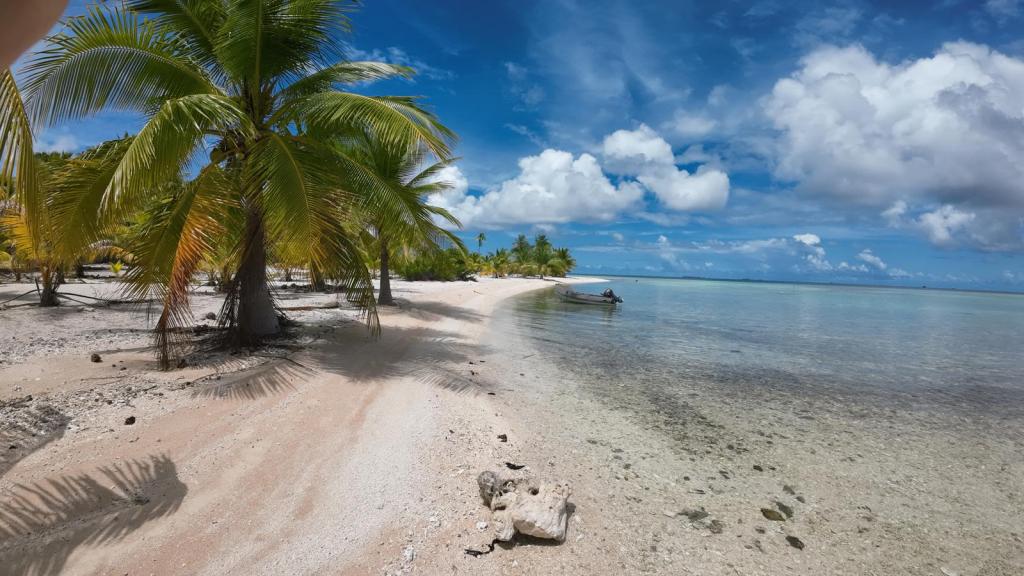
The beaches look quite nice from distance and on most photos, but they consist of coarse coral sand and or just corals, so shoes are necessary to wear when walking along the shore. But is still very beautiful and nice to walk.
Our bottom was rather fouled, so we stayed a few days cleaning the bottom. It is a rather hard job, first we scrape with a trowel, that take away all the coarse fouling, after that one need to scrub the bottom with some abrasive such as a Scotch Brite or similar to get rid of the green algae growing on the bottom
Time to leave Hao, we had ca 180 Nm to go to Raroia and we found it more important to time the cut at the entrance of Raroia than the exit at Hao. I do not know if that was a good choice or not, we got a rather adventurers exit with very strong current with us going out.
Se video below
Raroia
On our way we caught a nice yellow fin tuna
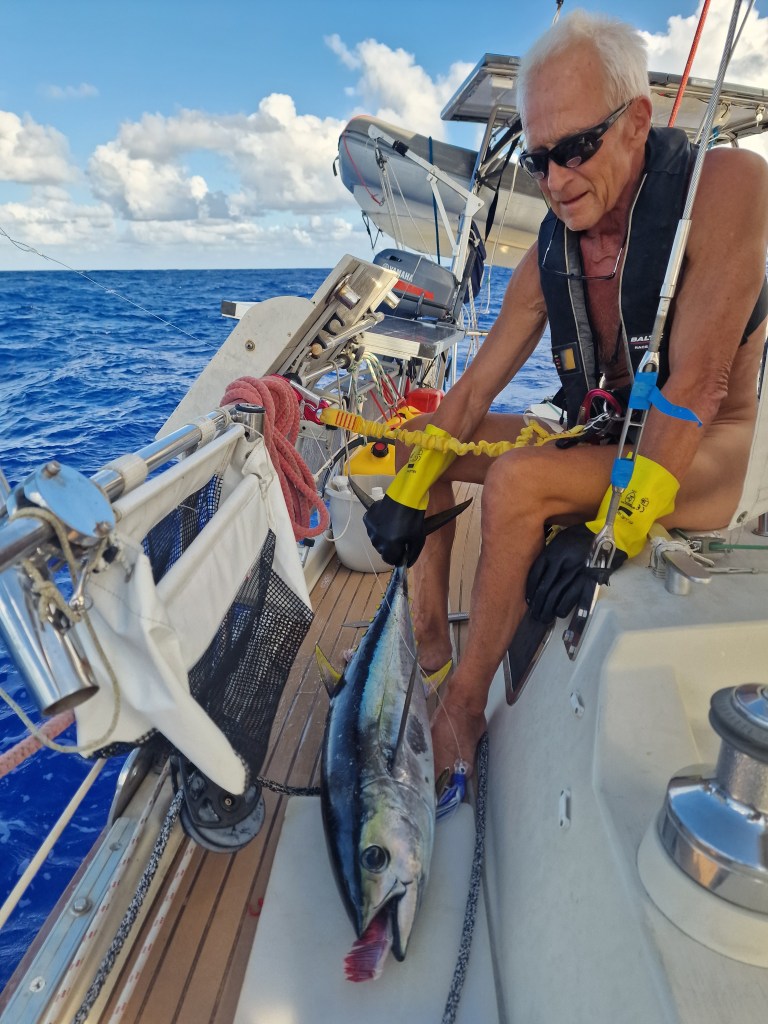
It gave us several nice dinners and excellent sushi
We came a bit early to the cut so we had to sail up and down for ca 1,5 h before we thought the water was not to upset.
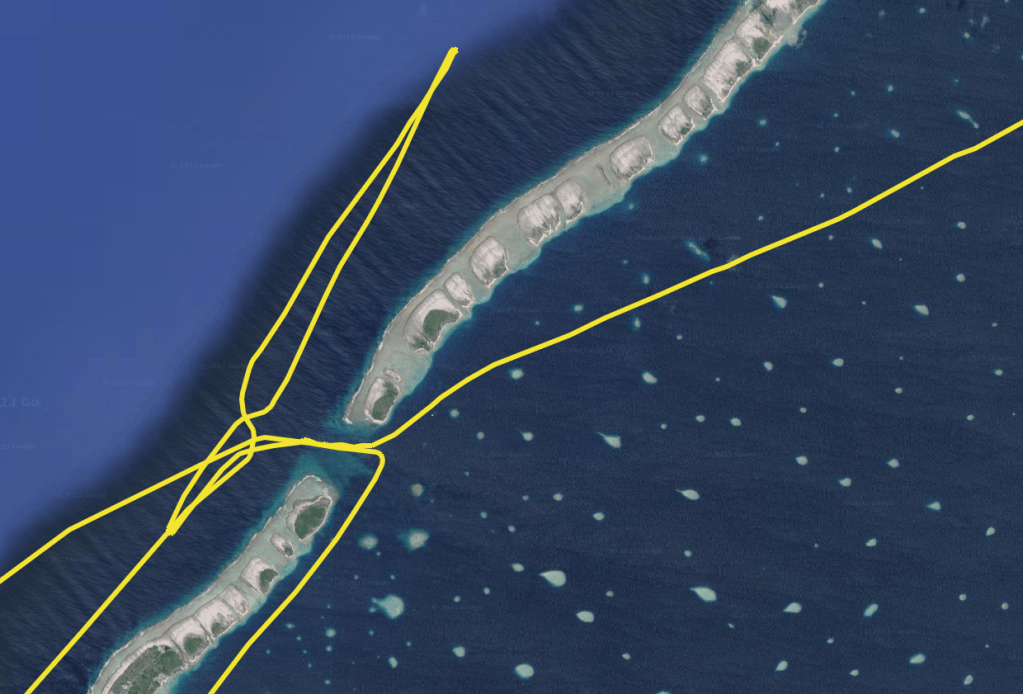
You can se our track outside the cut and the the change in course outside the cut is the current pushing us side wise.
On the inside you can see that there are many boulders to keep track on.
We found a very nice anchorage in the northeast corner of Raroia.
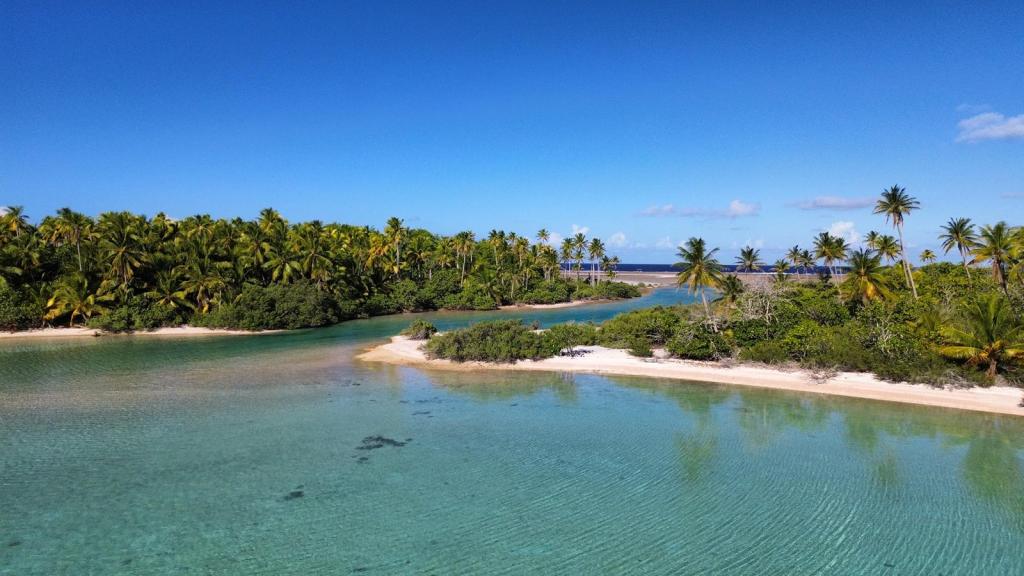

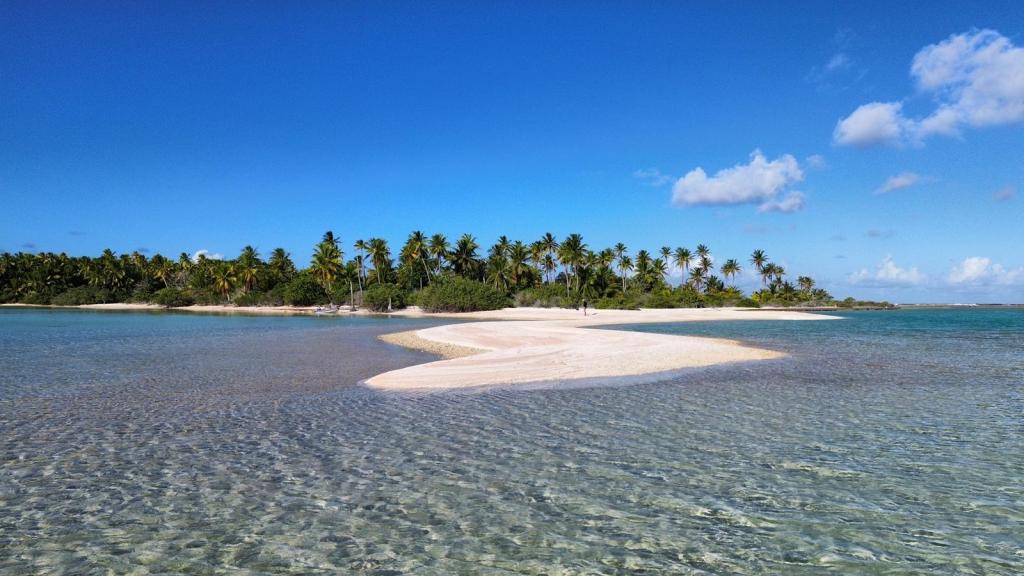
Here we encounter out first sharks, we had regularly 7 black tip sharks around Kerpa.
It was a bit scary first and we hesitated to bath, but a few days later we saw them when snorkelling and it felt less dramatic.
Below snorkling with the sharks
Not fare from us was a few other boats, families with kids that sailed together, one of them we had meet in Curaçao and they invited us for a barbeque on the beach, really nice to see and talk with some others.
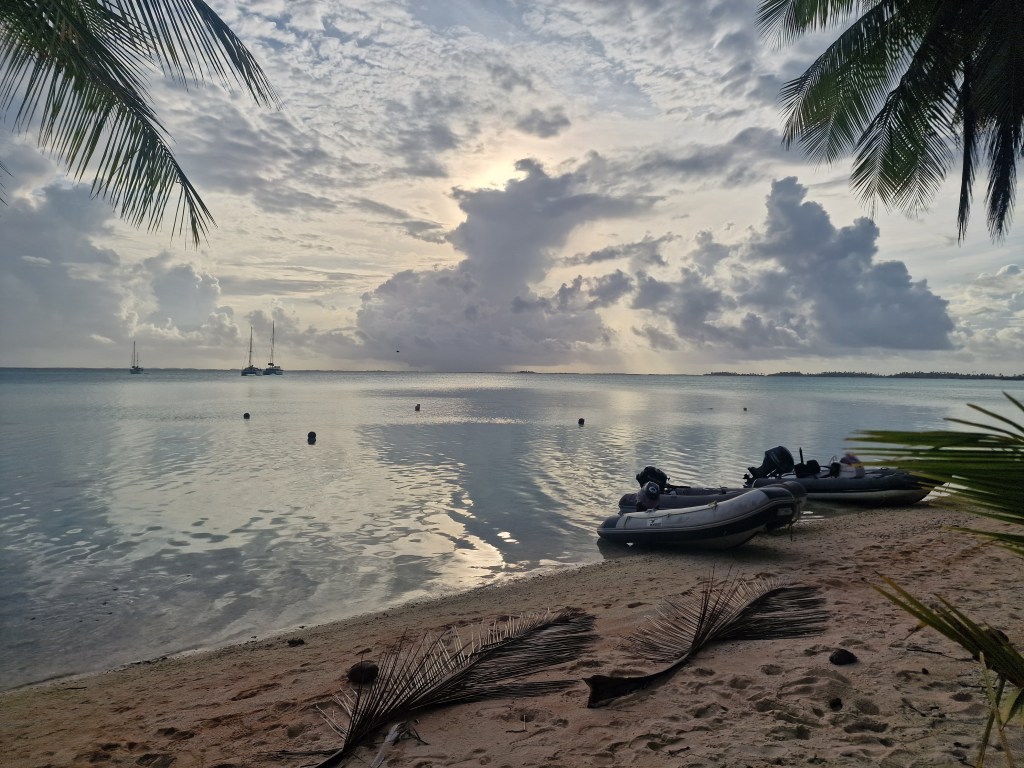
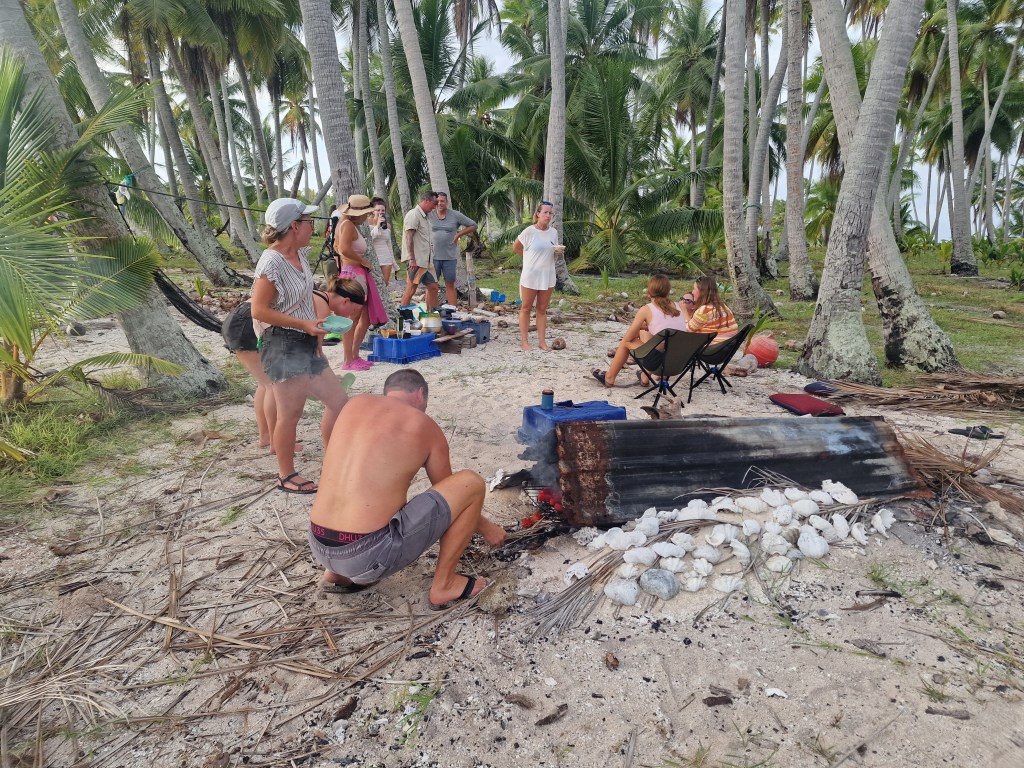
Barbeque
Later we had some very nice snorkelling, a lot of fishes really nice.
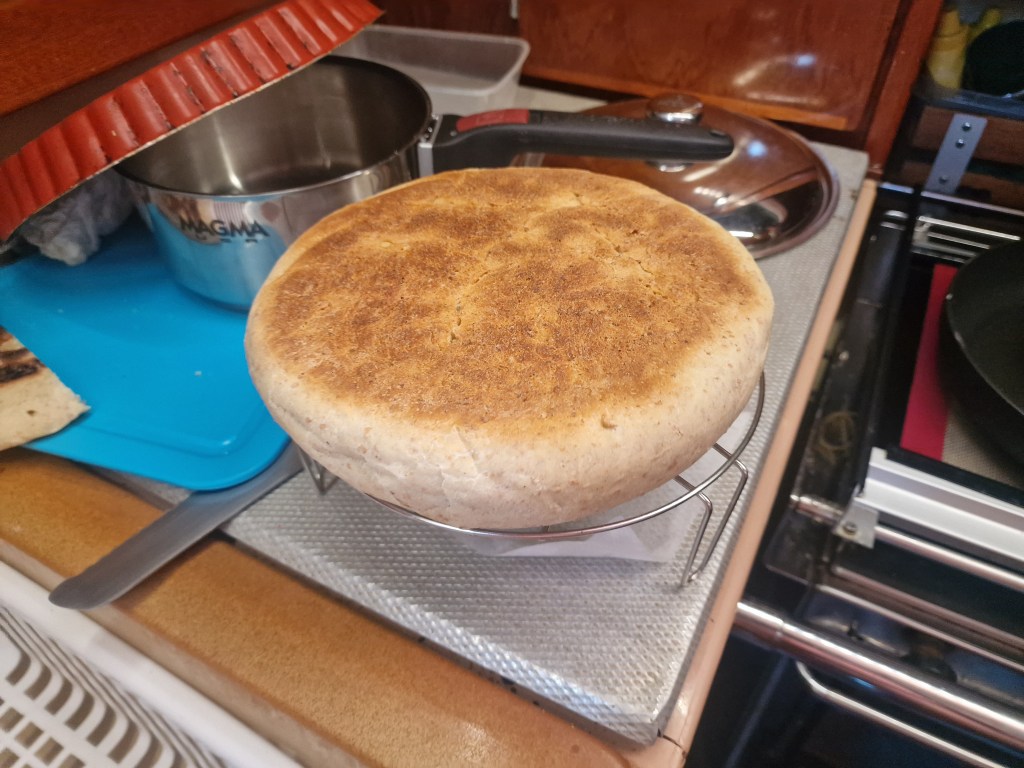
Our Air fryer broke down a few weeks ago, and we missed it a lot, especially as we used it for baking bread, and I do miss bread a lott. I thought it must be possible to bake in a pot! I looked into YouTube and found a few ways. Just ordinary dough put in a pot with a lid on, not too much dough then it get burned before relay. We bake it for 20 minutes on low heat, then turn the half baked loaf of bread and bake for another 7-10 minutes, Well, we tried to bake in a pot and after a few tests the bread become very good, a bit strange form, but taste was great.

Raroia is also the atoll that Thor Heyerdahl arrived to with his raft made of “grass” he sailed from South America to French Polynesia 1947.
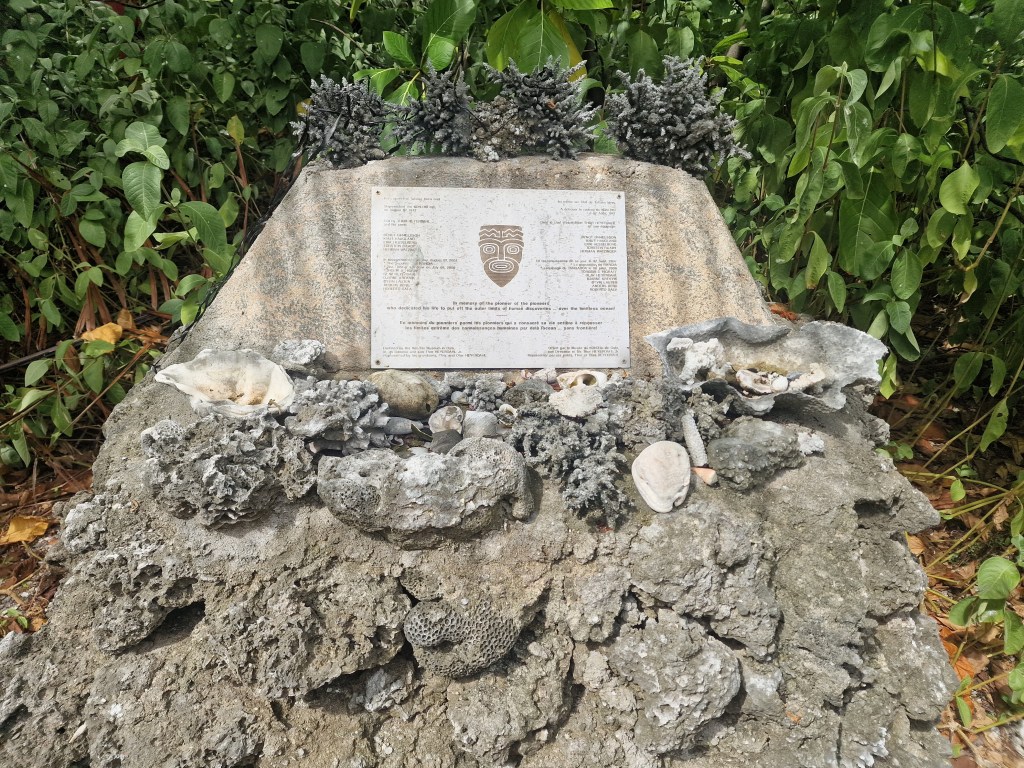
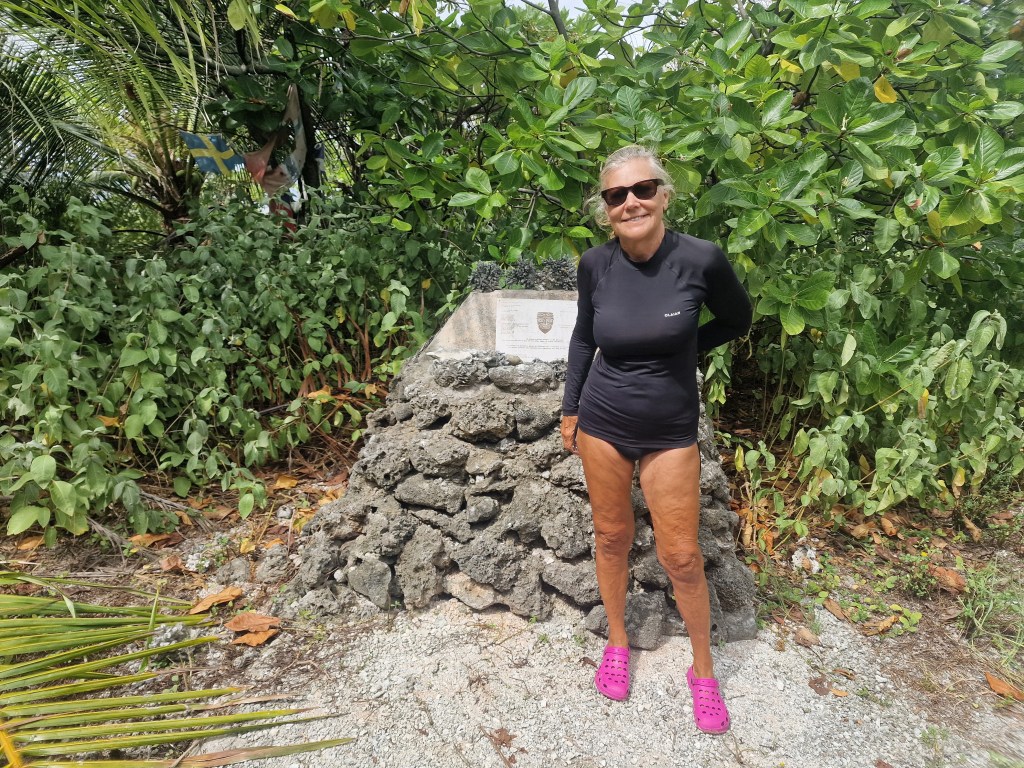
Kerstin at the Kon-Tiki memorial.
Makemo
The next atoll was Makemo about 80 Nm away. We had some slow sail as we need to make the right time to the cut, but just before the cut we got a squall that lasted for ca 1 hour, we did not want to enter as visibility was very poor and strong wind so we just motoring slowly waiting for the squall to pass. We did not mind waiting a bit as water was rather rough at the entrance, finally the weather becomes more pleasant and the entering less rough.
passing the cut not too bad
Makemo anchorage. It was plenty of boulders and several boats had problems to leave as anchor and/or anchor chain got tangled in the coral heads.

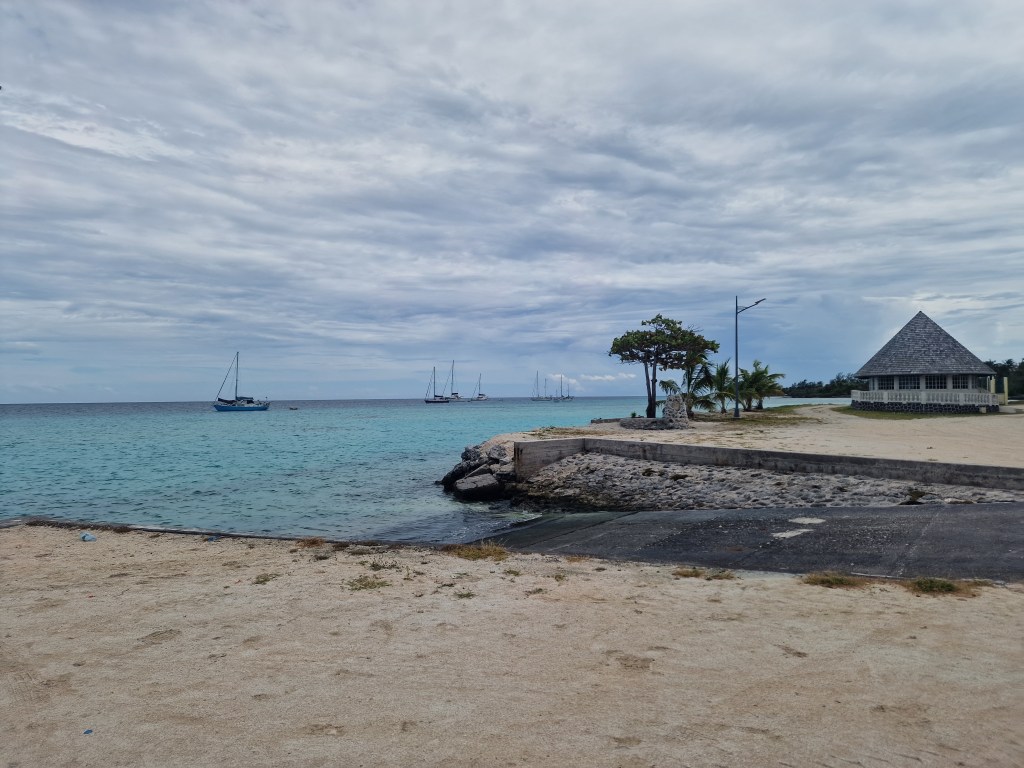
It was a shop in the village with rather good supply. We could stock up with potatoes, onions, cucumbers and some other stuff.
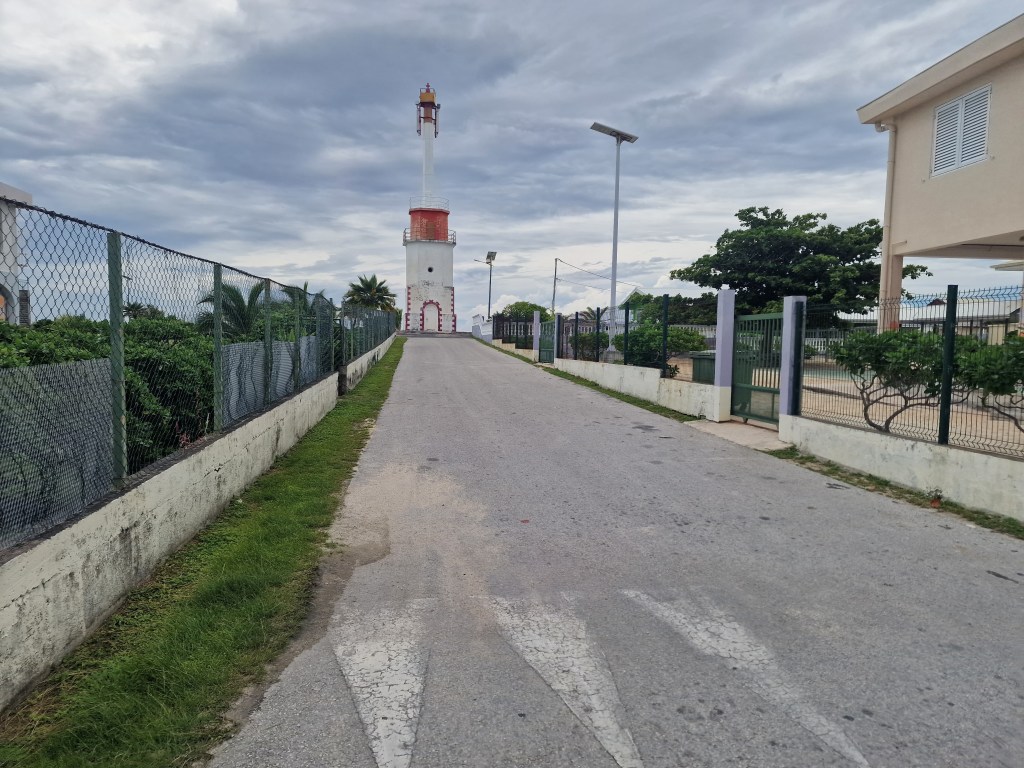
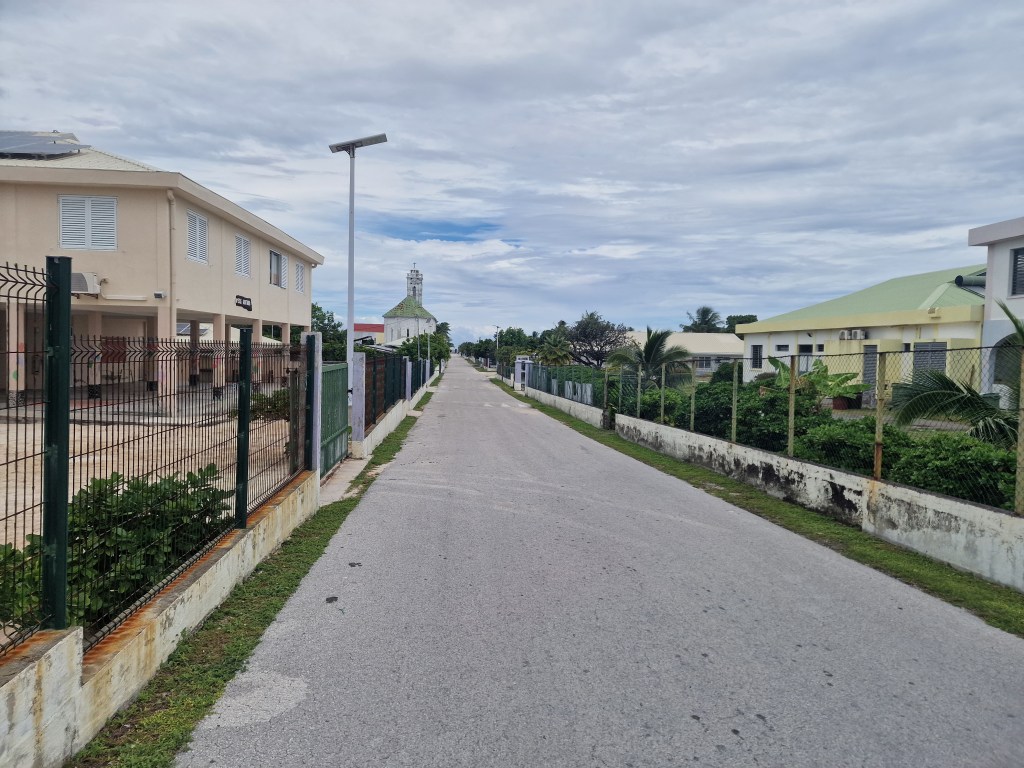
The village
We did not stay long at the village as wind turned and fetch became quite long and anchorage rather bumpy, we turned to the Nort East corner where it was calmer.

There are many boomies or boulders in Makemo, they are very visible on the satellite map, but one has to zoom in a lot as some of the boulders are only a few meters in diameters so sharp outlook is necessary both on the sea and on the chart. We prefer when there is a lot of boulders as then you need to have constant sharp outlook, if only a few boulders one risk losing attention and it is easy to miss and hit one. These boulders are often just below in the water, size usually from a few meters in diameter up to maybe 50 meters, just besides them it is normally rather deep, so if one should hit one, it is high risk that you run into them with the hull and not with the keel, so damage could be very severe and you risk taking on water and sink. So sharp outlook very important, not Kerstin’s favourite tasks
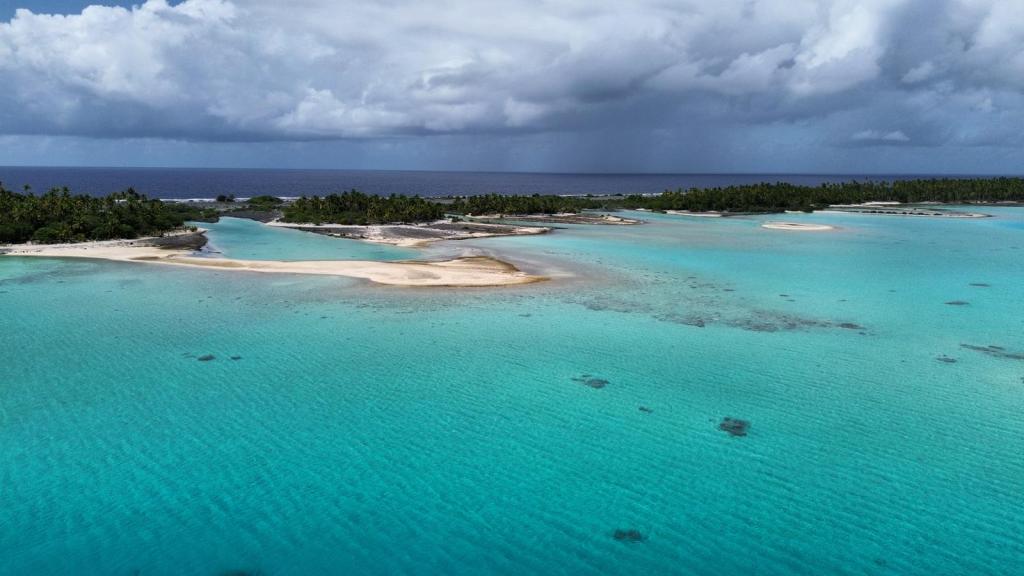
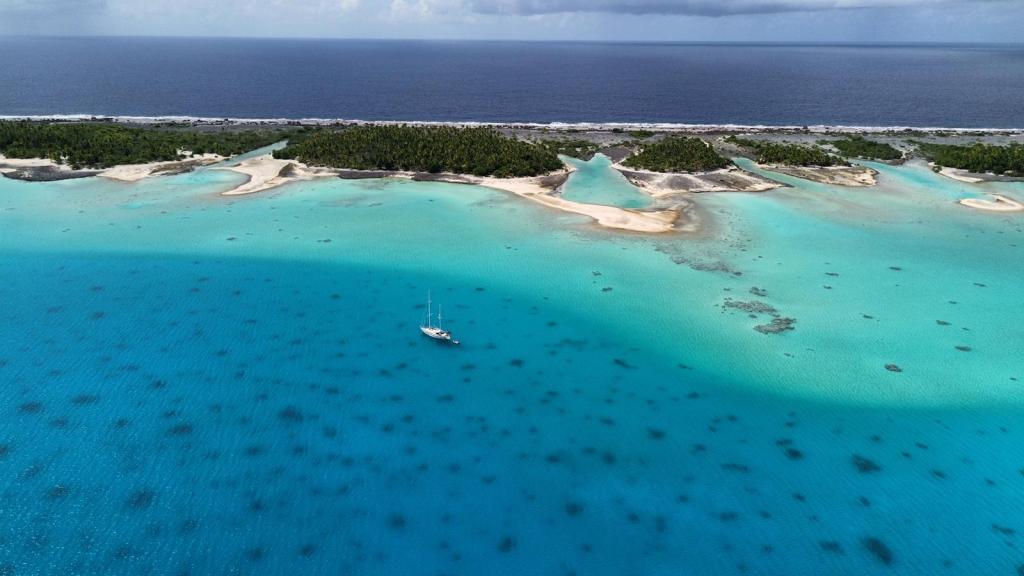
Norh east anchorage Makemo. Not easy to find a good spot to drop the anchor.
A local had made some artwork, artistic installation of floats

But the water was fantastic
At the south eastern corner of Makemo we had some great snorkelling
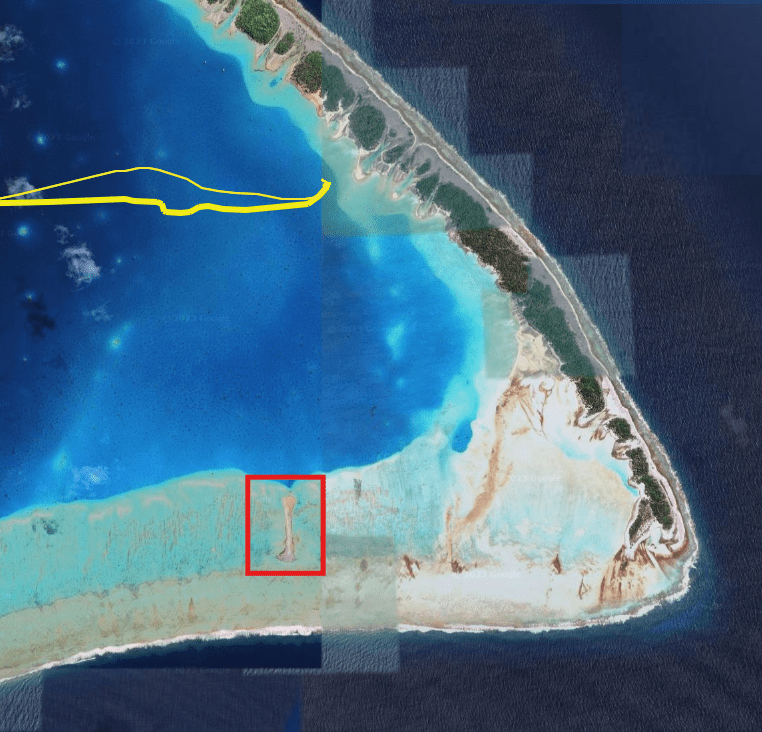
See the red square on the chart, strongly recommend you go there if visiting Makemo, relatively healthy corals and a lot of fish. I made a short YouTube video
Click on the link want to see it.
next blog we explore more atolls.
 S/Y Kerpa
Tack för ett trevligt resereportage. Ni har det ju helt fantastiskt där nere i Söderhavet. Fortsätt gärna att blogga. Kul att få vara med på er resa såhär på distans. Ha det bäst.
Med vänliga hälsningar Pieter Kjellberg Tel: +46 70 – 603 39 14 Skickat från min Iphone. ”Eventuella stavfel kan tillskrivas små tangenter och tjocka tummar.”
LikeLike
Tack, kul att du gillar att följa oss
LikeLike